Currently supported by:




profile
The Campus Bad Kötzting is a campus of Deggendorf Institute of Technology. As part of the Faculty of Applied Health Sciences and with a focus on the key areas of ‘prevention’ and ‘health promotion’, the Campus plays a unique role.
The Campus was opened on 22 October 2012 and has been developing continuously ever since. Thanks in part to its interdisciplinary team, it now possesses a broad range of expertise in health-related fields. One of the Campus’s objectives is to bring this expertise to the Bad Kötzting health region and the district of Cham, whilst collaborating with local stakeholders. To this end, applications are submitted for and national and international research projects, as well as collaborations with regional and supra-regional institutions or companies, are carried out.
Staff and Management:
Scientific Director: Prof. Dr Susanne Heininger
Operational Director: Kathrin Martin
12 (scientific) staff members
tasks
The Bad Kötzting Campus has expertise in the fields of health sciences, therapeutic sciences, nursing sciences and cultural studies.
Main responsibilities:
- Initiating and carrying out research projects in collaboration with other research institutions, companies, organisations and bodies at regional and national level
- Contract research and service provision for organisations and companies in the region
- Scientific publications and discourse
- Establishment of regional networks and collaborations
- Mutual transfer of knowledge and technology between the university and regional companies or institutions
- Establishment of cross-border relationships with foreign research institutions
From idea to project – your local partner for health promotion and prevention in the region:
Local stakeholders can also approach the Campus Bad Kötzting with a project idea. Together, this project idea is further developed and funding opportunities are sought. If this phase is successful, the project is further developed and ultimately implemented.
What are local stakeholders? Individuals, organisations or institutions operating at a local level, e.g. towns, local authorities, municipalities or companies
CURRENT PROJECTS
Rehab TechBridge
Integration of Rehabilitation Practice and Assistive Robotics in the Bavarian-Czech Border Region
• Funding Program: Interreg A Bavaria - Czech Republic
• Project Start Date: September 1, 2026
• Project Duration: 34 months
• Project Staff at the Campus: Lukas Schmidbauer
• Total project budget: €736,374.59
Project partners
• Lead: Deggendorf University of Applied Sciences (Cham Campus and Bad Kötzting Campus)
• University of West Bohemia in Pilsen (Faculty of Health Sciences and Ladislav Sutnar Faculty of Design and Art)
Project Description
Challenge: The Bavarian-Czech border region faces a shared challenge: Despite the growing importance of assistive and rehabilitation robotics, there is a lack of coordinated educational approaches and a common understanding among healthcare professions, engineering, and design. Differences in technical terminology and working methods hinder collaboration and the practical application of technical solutions.
Objectives: The project aims to bridge this gap through a cross-border educational and collaborative framework. It enhances understanding of therapeutic processes, technical capabilities, and design requirements, thereby improving the quality and practical relevance of education in the border region. The added value for the program area lies in the professional development of students and the sustainable networking of relevant stakeholders on both sides of the border.
Activities: Key activities include the joint development of a methodological educational framework, interdisciplinary training formats, and practical case studies. The outputs will include proven teaching formats, case studies, and exchange programs for students. The developed training formats will be integrated into the curricula of the participating universities. The cross-border approach is necessary because both regions face similar challenges, yet there are currently few coordinated educational formats. Target groups include students, therapeutic facilities, and regional education and innovation stakeholders.
Associated Partner: The Middle Bavarian Rehabilitation Center participates as an associated partner in selected project activities and contributes the perspective of rehabilitation practice to the project. In particular, the center supports the identification of current challenges and limitations of assistive technologies in everyday clinical practice and contributes to the formulation of practice-oriented research questions and case studies for teaching. Staff members of the Rehabilitation Center participate in workshops and professional exchange forums and are available to students as practice partners for discussions and reflections. In addition, the project includes field trips designed to give students insights into real-world rehabilitation processes and work environments. The Middle Bavarian Rehabilitation Center does not assume any project coordination or financial obligations but contributes significantly to the practical relevance and application-oriented nature of the educational activities.

Applied Research Project on Accessible Tourism in Bavaria
• Funding Source: Parliamentary Group Initiative of the Bavarian State Parliament
(Bavarian State Ministry of Food, Agriculture, Forestry, and Tourism)
• Project Start Date: July 1, 2026
• Project duration: 12 months
• Campus project staff: Domenic Sommer, Sandra Vogl
• Total project budget: €190,801.65 (including own contribution)
Project Description
Challenge:
In an aging society, accessible travel is a key issue for the future. Approximately 15 to 20 percent of the population lives with mobility or activity limitations; in Bavaria alone, this amounts to over 1.16 million people. Often, travel planning for people who need support fails not because of a lack of options, but because of insufficient information. To close these gaps and ease the burden on hosts when it comes to communication, the actual needs of guests must be systematically identified.
Objectives:
The applied research project “LandErleben für Alle” (LEfA) aims to close information gaps in the area of accessible tourism in rural areas. Often, a travel booking fails not because of the offering itself, but due to a lack of reliable information on accessibility. To make travel information and service offerings more accessible and directly tailored to travelers’ needs in the future, we are first conducting a Bavaria-wide survey to identify the specific requirements of guests and locals. We will then align these findings with the hosts’ existing resources and communication channels. Based on this, we aim to better connect tourism service chains—from travel arrangements to accommodations to recreational activities—and make them more visible digitally. In this way, we make it easier for guests to plan their trips while simultaneously helping small and medium-sized service providers communicate their offerings in a way that is tailored to their target audiences.
Activities:
The project will develop practical concepts that simplify travel planning for guests and actively support service providers in showcasing their commitment and accessible offerings in a targeted and efficient manner. The project’s core activities can be divided into three areas that build upon one another iteratively:
1. Demand Perspective (“Guest Perspective”):
Information-seeking behavior, decision-making criteria, expectations, and specific barriers faced by people with and without support needs in their travel and leisure activities are being surveyed via a standardized, Bavaria-wide online questionnaire. The goal is to understand what information is actually needed on the demand side (by tourists and locals) and what requirements exist from the guest’s perspective in accessible tourism. The survey is also aimed at family members, seniors, and other interested parties.
2. Provider Perspective:
At the turn of the year 2026/2027, we will reach out directly to hosts and tourism service providers. We want to understand the challenges they face in their day-to-day operations—whether due to structural limitations, investment costs, staffing shortages, or bureaucratic hurdles in the certification process. We will also assess what information businesses already communicate to their guests and through which channels. This assessment is key to providing businesses with tailored and practical tools in the future, enabling them to confidently and transparently promote their existing offerings to the public.
3. Awareness & Knowledge Transfer:
To translate scientific findings into practice, we are organizing a major “Accessibility” action day on April 14, 2027. Here, we will bring together people with mobility impairments, service providers, regional advocacy groups, and the academic community. In addition to keynote speeches and a panel discussion, participants will have the opportunity to gain new perspectives through interactive workshops—such as experiencing a wheelchair course firsthand and trying on an aging simulation suit. As a sustainable outcome of the project, we will also produce a concise implementation guide or policy brief.
Associated project partners:
Bayern Tourismus Marketing GmbH (State Tourism Organization)
Cham District
City of Bad Kötzting
Kneippverein Bad Kötzting e.V.
Ferienregion Nationalpark Bayerischer Wald GmbH
Tourism Policy Committee of the CSU State Parliamentary Group
For more details and to participate: https://survey.th-deg.de/lefa

STEPP - Structured Teletherapy for Occupational and Physical Therapy in Parkinson’s Disease
Duration:
June 1, 2026 – May 31, 2027
Project Partners:
Lead: Campus Bad Kötzting
Partners:
Mühlleitner Occupational Therapy Practice, Neumarkt in der Oberpfalz
Mauretter Occupational Therapy Practice, Bogen
Project Description:
The rising number of Parkinson’s disease cases poses growing challenges for outpatient healthcare. Particularly in rural areas, a shortage of qualified professionals, demographic change, and mobility limitations make it difficult to access continuous occupational and physical therapy care. Digital and hybrid therapy options can help overcome geographical barriers and better integrate therapeutic interventions into the daily lives of those affected.
The STEPP research project is investigating a structured approach that combines in-person therapy with teletherapy. The focus is on feasibility, acceptance, and potential effects on care. The goal is to gain insights for providing outpatient care for people with Parkinson’s that is more tailored to their needs and patient-centered, as well as sustainable for the future.
Project Funding:
German Society for Parkinson’s and Movement Disorders.

LINK-AGE is a 24-month cooperation project co-funded by the Interreg CENTRAL EUROPE Programme. It brings together 9 project partners and 20 associated partners from across Central Europe to strengthen innovation in senior care and support the transfer of successful care models between regions. The project has a total eligible budget of EUR 1.24 million, of which around EUR 993,000 is financed by the European Regional Development Fund (ERDF).
Central European regions are facing common challenges linked to population ageing, fragmented health and social care systems, workforce shortages and difficulties in scaling innovative solutions beyond individual pilot sites. LINK-AGE addresses these challenges by building on results already developed and tested through four European cooperation projects: PROCAREFUL, DigiCare4CE, CROSSCARE 2.0 and STAR.
Rather than simply replicating previous solutions, LINK-AGE applies a combined downstreaming and upstreaming approach. Proven care models and tools will be adapted to new territorial and organisational contexts and tested through six pilot actions in Austria, Germany, Italy, Slovenia and Slovakia. At the same time, the project will work with care providers, public authorities, research organisations, businesses, policy actors and other stakeholders to support wider uptake and integration of successful approaches into regional and transnational care systems.
The project will develop six regional action plans, validate three jointly developed solutions, establish a cooperation framework involving organisations across borders and produce a Transnational Strategy for Innovative Senior Care. A Central European Innovation Framework will also support care organisations in embedding innovation into their services and in improving the transferability and sustainability of tested solutions.
Ultimately, LINK-AGE aims to turn proven innovations into adaptable, integrated and sustainable senior-care solutions, strengthening cooperation between Central European regions and improving their capacity to respond to the changing needs of older people.
Project facts
Project acronym: LINK-AGE | Project ID: CE0401390
Programme: Interreg CENTRAL EUROPE 2021–2027 | Lead Partner: EnEA – Education and Care Institute, Italy
Programme priority: Cooperating for a smarter Central Europe
Specific Objective: SO1.1 – Strengthening innovation capacities in Central Europe.
Official website: https://www.interreg-central.eu/projects/link-age/
Mission KinderStadt – Community Participation and Health Education with Playmobil
Target Group:
Third-grade elementary school students from urban and rural elementary schools, along with their respective teachers and educational staff, as well as community partners from the respective cities and towns.
Project Goal:
To impart knowledge and skills in a playful manner, enabling children to grow up healthy and actively engage with their own living environment.
Background:
Children experience varying health and educational opportunities, often shaped by their social background, educational level, and migration status. Health education in childhood is a key component of prevention and the development of health-promoting lifestyles, as health-related behavioral patterns emerge as early as childhood and often become entrenched during adolescence. It is therefore important to empower children early on to build knowledge and skills for health promotion and thereby reduce inequalities.
In addition to health education, social participation also plays a central role in promoting (educational) equity within a society. Participatory processes foster democratic competence, self-efficacy, and social responsibility, and strengthen trust in social institutions. Furthermore, they support the sense that individuals can actively shape their own lives.
Project Description:
The Mission KinderStadt project innovatively and creatively combines the two elements of health education and social education, thereby creating a holistic and wide-ranging learning experience. Through a game-based, open-ended teaching concept, students explore the question of what children need to grow up healthy. To do this, the children build their own city using Playmobil and engage with key community institutions as well as the areas of health, safety, and social services through playful activities. With a focus on growing up healthy and safe, the project specifically addresses important institutions in community life, discusses opportunities for (children’s) participation, and highlights relevant professional groups. In doing so, the children are encouraged to experience their own city as a healthy and safe living environment and to learn about ways to take care of their own health and participate in community life. The project thus contributes to raising early awareness of the connections between health, safety, and individual and social responsibility. In addition, over the course of the project, the children compile their wishes and suggestions for improvements to their real city in a “KinderStadt” report, which is then presented to local decision-makers. In this way, the children experience genuine participation.
Funding:
The project is funded by the Playmobil Children’s Foundation.
Project description:
To make the topic of ‘care and health technologies’ accessible to everyone, the Campus has launched the HealthLab. Under the motto ‘Experience – Understand – Practise’, selected technologies and aids can be tried out first-hand in the Care Experience Room, thereby helping to overcome reservations, promote digital and technical skills, and increase acceptance of new technologies in the care and health sector. From 2025, interested facilities, outpatient services, training centres and other institutions will also be able to borrow selected mobile technologies from the HealthLab free of charge, enabling them to be tested under real-world conditions in practice and vocational training.
Funding:
The HealthLab Care Experience Centre was planned through a parliamentary group initiative and implemented by the Bavarian State Ministry of Health, Care and Prevention as part of the “DeinHaus 4.0 – Lower Bavaria” funding project.
Duration:
Funding for the project ends on 31 December 2024. However, in the interests of sustainability, the aim is to continue operating the HealthLab and to keep developing it further.
Best Ager Initiative – Approaches to retaining and motivating employees in their golden years through workplace health management’
The ‘Best Ager’ project is a commissioned research project. The parties involved in this project are Zollner Elektronik AG (client), AOK Bayern and the Bad Kötzting Campus. By analysing (health) data and conducting scientific data collection using a mixed-methods approach, the aim is to identify the needs and requirements of employees aged 50 and over and to document these in the form of recommendations for action. Based on these recommendations, it should be possible to derive target group-specific measures from the field of workplace health promotion, from which not only Zollner but also other small and medium-sized enterprises will benefit.
Project duration:
01/01/2025 – 31/12/2026


A co-creative prevention project for children in Bad Kötzting
Project partners:
Town of Bad Kötzting
Bad Kötzting Campus
Associated partners: All schools in Bad Kötzting, TV 1863 Bad Kötzting e.V., Kneipp Association Bad Kötzting, IGM Lifestyle Programme Bad Kötzting, GesundheitsregionPlus Cham District
Project duration:
01/03/2025 – 28/02/2028 (3 years)
Project description:
The aim of the project is to establish a sustainable programme for health promotion and disease prevention for children in Bad Kötzting, with a particular focus on mental health. The prevention project will involve local structures, including schools, after-school care, existing services provided by local associations, and parents. The project is strongly system-oriented and aims to generate measures that can, above all, involve socially disadvantaged and otherwise hard-to-reach families. A co-creation approach is being pursued to establish, together with the target group of children and relevant stakeholders (parents, educators, local representatives, etc.), a sustainable and attractive programme to strengthen mental health. Co-creation means that the target groups actively participate in the project and its measures.
The project is scheduled to run for a period of three years. In the first year, specific strategies to promote children’s mental health in Bad Kötzting will be developed through a co-creation process involving the target group and relevant stakeholders. This will involve addressing known issues, linking existing structures and services, and exploiting synergies. Existing services will be evaluated. In the following two years, the concepts developed will be put into practice and implemented. This will be accompanied by a process evaluation to assess the acceptance and effectiveness of the measures and to make adjustments where necessary.
Project funding:
Funding is provided by statutory health insurance funds as part of the GKV Alliance for Health in Bavaria.


Project name:
Cross-border training programmes for healthcare professionals to promote sustainable healthcare provision between Bavaria and the Czech Republic
Project partners:
University of West Bohemia in Pilsen
Project duration:
1 May 2025 – 30 April 2028 (3 years)
Project description:
Working together for sustainable healthcare in the border region!
Through the Interegg A project ‘CrossHealth’, students from various healthcare disciplines at Deggendorf University of Applied Sciences and the University of West Bohemia in Pilsen will have the opportunity to network, learn and exchange ideas on topics relating to sustainable healthcare. The aim is to embed this topic in the future training of healthcare professionals and to create new perspectives in education through interdisciplinary and cross-border links in teaching.
Planned activities include structured student exchanges in the form of digital conferences and face-to-face events, as well as exchanges between university lecturers.
Project funding:
Interegg A Bayern – Tschechien

completed projects
Applied Exoskeleton Research for Use in Rehabilitation
Project Description:
The ExRe project develops collaborative research capabilities in the field of applied research and focuses on the development of a state-of-the-art prototype of a lower-limb exoskeleton for rehabilitation purposes, utilizing innovations in design, manufacturing technologies, 3D printing, and brain-computer interfaces (conversion of brain signals into limb movements).
The project also strengthens joint research capabilities for technology transfer in the fields of rehabilitation and prosthetics. It is being carried out by a multidisciplinary research team from Bavaria (THD with TC Cham, TC Hutthurm, and the Bad Kötzting Campus) and the Czech Republic (ZČU in Pilsen with the Faculty of Health Sciences, the Ladislav Sutnar Faculty of Design and Art, the Faculty of Applied Sciences, and the Faculty of Engineering/RTI). The partners will collaborate on all activities, exchange research expertise, and leverage joint research capabilities in line with the priorities of RIS3 and the High-Tech Agenda. Five associated partners from the field are also participating in the project, which will run for 36 months.
Project Funding:
The ExRe project is funded by Interegg A.
Innovative vocational training for the integration of foreign care workers and the development of international care teams
Background:
International care workers are a major pillar of the German healthcare system. For their integration to be successful, all those involved need to be properly prepared. The INsTeam project offers institutions a training programme for domestic and foreign care workers to support the integration process and jointly develop strategies for successful integration.
Project overview:
Funded by ESF+
Project sponsor: Bavarian State Ministry for Family, Labour and Social Affairs
Project start: 22 September 2024
Project end: 21 September 2026
Target group: domestic and foreign care workers
Project objectives:
The overarching aim of the INsTeam project is to ensure that foreign care workers, through individual support, can experience and achieve the most successful holistic integration and inclusion possible at all associated levels (care situation, collegial cooperation, organisational conditions and role within the healthcare system). The involvement of all those participating in the integration process is particularly important. The aim is not to adapt foreign nursing staff to the existing system, but rather to equip all those involved to work effectively in international teams. To this end, a three-part, free training programme has been developed for professional qualification or as a refresher course.


Project description:
Inno4Health offered further training and professional development programmes for specialists and managers in healthcare organisations (hospitals, care homes, outpatient care services, rehabilitation centres, sports facilities) within the Bad Kötzting prevention region / Cham district. In addition, a network was established comprising THD, healthcare organisations and educational institutions.
Many healthcare companies were unable to offer further training and professional development in 2020/2021 as they were occupied with combating the pandemic. This is where Inno4Health stepped in. Together with the cooperation partners, the needs for further and continuing education were identified, and a programme tailored to these needs was developed in collaboration with the Centre for Academic Continuing Education (ZAW) at THD. The seminars, training courses and workshops were delivered as blended learning, incorporating innovative approaches to digital teaching. Thanks to ESF funding, these programmes were free of charge for the cooperation partners.
The project also linked the THD, companies in the healthcare sector and educational institutions. This gave the partners access to innovations and technologies in health sciences, whilst the university received valuable feedback and input from the business world. The networking events were also designed to strengthen collaboration among the partners, enabling them to better address common challenges within the network.
The Inno4Health project, which is 100% funded by the European Social Fund (ESF), began on 1 July 2021 and ended on 31 December 2022.
DIT project partners:
Centre for Academic Continuing Education / Department for Digitalisation and Innovative Teaching
Cooperation partners:
UniqueBODY Fitness & Wellness Centre Prackenbach
Physioteam Franz Bad Kötzting, the Cham Practice, Physio Wühr Bad Kötzting, Trimmich Physiotherapy Chamerau, Althammer Occupational and Physiotherapy Practice Bad Kötzting
Visio Clinic Bad Kötzting, Uschi Martin Outpatient Rehabilitation Centre Bad Kötzting, Therapy Centre at the Regenbogen Health Park Cham
BRK Cham District Association, Residenz am Kurpark Bad Kötzting, St. Benedictus Retirement Home Bad Kötzting, Grassl Elderly Care and Nursing Service Miltach, St. Michael Retirement Home Cham
TCM Clinic Bad Kötzting, Bayerwald Clinic Cham, Heiligenfeld Clinic Waldmünchen, Sana Clinics Cham District



Overview EAsyAnon
- Funded by the Federal Ministry of Education and Research (BMBF)
- Research project: "Research network anonymisation for secure data use".
- Framework Programme: IT Security "Digital. Secure. Sovereign.
- Project Management Organisation: VDI/VDE Innovation und Technik GmbH
- Duration: 3 years (start 01.01.2023)
Collaborative partner
- Lead: Deggendorf Institute of Technology (TC Grafenau, TC Vilshofen, GC Bad Kötzting).
- University of Augsburg
- Passion4IT GmbH
- Smart In Media AG
- IT Security Cluster e. V.
Brief summary
Public authorities, health institutions, research institutes and companies have numerous data sets that could potentially be published as Open Data. Often, however, these data sets remain withheld from the general public due to challenges related to data protection, security and personal rights, and no social added value can be achieved from them.
The EAsyAnon project aims to facilitate the anonymisation process associated with Open Data for data stewards. To this end, an overall system consisting of three components is being developed:
I) An intelligent recommendation system that suggests a suitable anonymisation concept based on the description of a data set.
II) An audit system that evaluates the de-anonymisability of the resulting dataset. This is done on the one hand by automated methods and on the other hand by a crowd-sourced peer review process.
III) A trust service that, by means of pseudonymisation measures, allows the publication of parts of a dataset that are worthy of protection and the evaluation of encrypted data for a specific purpose, in compliance with the GDPR.
EAsyAnon is framed by empirical research, in which first concrete application scenarios are evaluated and finally the influences of the system on the open data publication process are evaluated. The evaluation is primarily based on real case studies from the healthcare sector. In addition to the technical aspects, legal and ethical issues will be considered in detail in EAsyAnon. The overall objective of the sub-project at the Deggendorf Institute of Technology is the scientific project management (in particular the conception and implementation of technical and empirical investigations), the technical conception of the overall system including the selection and development of suitable algorithms, technical procedures as well as the creation of individual partial functional models.

The innovative residential module for senior citizens
Project description:
Deggendorf University of Applied Sciences – Bad Kötzting Campus is leasing a residential module, the ‘New Care Mobil’, for the period from May 2025 up to and including November 2025. The residential module is to be equipped with analogue and digital care technology to relieve the burden on family carers, care staff and those requiring care themselves in both outpatient and inpatient settings. As part of a roadshow through south-east Bavaria, the so-called ‘real-world laboratory’ is to be presented at ten different locations. The aim is to use the residential module to raise awareness of the wide range of possibilities offered by analogue and digital care aids, as well as new living and care options for those in need of assistance and care, thereby increasing acceptance among the general public. The “New Care Mobil” serves to facilitate knowledge transfer for future fields in care, as well as to inform the interested public and decision-makers from the care sector, politics and municipal public services.
The mobile care setting “New Care Mobil” is also intended to create synergies with the existing research activities of the Faculty of Applied Health Sciences, the Digital Health Experience Centre and the HealthLab at Deggendorf University of Applied Sciences.
Project duration:
1 October 2024 – 1 October 2025
Project funding:
The “New Care Modul” project is funded by the Bavarian State Parliament.
Transforming care facilities for older people
Project description:
Society is ageing rapidly, and caring for older people is becoming a challenge. Digital solutions offer support to care staff, but the potential of digitalisation is not yet being fully exploited. The DigiCare4CE project promotes innovative solutions to improve the quality of care and develops a transnational strategy for the digital transformation of care facilities. The project partners are testing the use of new technologies in pilot schemes and drawing up action plans for their wider implementation.
Funding and duration:
Funded by Interreg Central Europe (Interreg B) for a period from 1 March 2023 to 28 February 2026
Further information can be found on the Interreg Central Europe website under ‘Project Description’.
Three-Day Workshop in Regen:
A three-day workshop was held from October 19–21, 2022, with 15 participating researchers from the Czech Republic and Bavaria. On Wednesday, an introductory excursion to the Postkeller in Regen took place, followed by the start of the workshop with a round of introductions. On Thursday, project ideas were developed during a guided design thinking workshop. The ideas were then documented during a writing session on Friday. The workshop took place at the Arberland Tagungshotel in Regen, Bavaria.
Participating colleges and universities:
Deggendorf University of Applied Sciences (GC Bad Kötzting, TC Grafenau)
Czech Technical University in Prague
East Bavarian University of Applied Sciences Regensburg
East Bavarian University of Applied Sciences Amberg-Weiden
University of Applied Sciences Würzburg-Schweinfurt
THD Delegation Trip to Prague:
In addition, a delegation of five researchers from Deggendorf visited the university in Prague (six people) from November 9–11, 2022. Building on the workshop in Regen, they further developed a project idea.
Further collaboration planned:
First, the participants will stay in touch in the near future to continue working on the project ideas. Since the participants were able to get to know each other better and exchange ideas, it is likely that they will also be asked to contribute their respective expertise to new ideas, leading to further collaboration.
Project Funding:
The project was funded by the Bavarian-Czech University Agency (BTHA) and the Bavarian State Ministry of Science and the Arts (StMWK).


Project name:
TransForCare – Shaping change in the world of work
Project description:
This training project, funded by the European Union, was aimed at organisations and staff working in outpatient and inpatient care for the elderly.
A practical and varied training programme was created for participants, keeping pace with the rapid developments in the labour market – particularly in the areas of digitalisation and work organisation. We address the very issues that arise in day-to-day care work. From the extensive range of courses on offer, participants were able to put together their own ‘course package’, tailored to their individual needs.
The programme covered the following four thematic areas:
- Digital transformation
- Change in the world of work
- Personal development & self-care
- Care basics
Accreditation:
Our training project was accredited by both the Registration of Professional Carers (RbP) and the VdPB as a 24-hour continuing professional development course for practical trainers.
Project partners:
Health Academy of Eastern Bavaria (GAO), sponsored by the Cham District Adult Education Centre (vhs)
Target group:
The training programmes outlined here were aimed at various professional groups working in outpatient and inpatient elderly care facilities. These include management, senior staff, nursing staff, nursing assistants, care assistants, educators and therapists, as well as administrative staff. In addition, one module was specifically aimed at potential returnees to the workforce who had previously been employed, or part-time staff with the potential to increase their working hours in the care sector.
Project funding and duration:
Funded by the European Social Fund (ESF+), running from May 2023 to March 2024.
Project description:
Winter School “Health-Literate Community” with students from three countries:
Two Winter Schools have already taken place at the Bad Kötzting Health Campus in 2023 and 2024, in cooperation with the Danube-Moldau European Region. Around 17 students from the DIT, the University of West Bohemia in Pilsen and the University of Applied Sciences for Health Professions Upper Austria spent a week working in groups to develop various ideas for improving health literacy in a local community setting. The ideas were presented to local decision-makers on the Friday of each week.

Project description:
The 2021/22 collaborative project between Suŝice and the Campus of Deggendorf Institute of Technology, in partnership with the town of Bad Kötzting, aims to encourage children aged 3 to 10 to be physically active. To this end, a children’s treasure hunt featuring several stations has been organised in the spa gardens in Bad Kötzting. A sort of ‘treasure map’ has been created, which the children can fill in after completing the stations and then hand in for a reward. The aim is to explore the body through movement in a practical way, by enabling children to learn movement sequences, exercise their bodies and experience nature. This is intended to help children gain insights into a healthy lifestyle. The project was developed and supervised in close collaboration with the teaching staff by a Bachelor’s student from the Faculty of Applied Health Sciences at the DIT.
Project description:
The project was approved in mid-2016 by the Monitoring Committee of the European INTERREG V funding programme. The project was submitted by the Cham District Association of the Bavarian Red Cross (BRK) as the lead partner, in collaboration with the THD, the Pilsen Emergency Medical Service and the University of Pilsen. The areas involved in the project in Bavaria were the districts of Cham, Freyung-Grafenau, Hof, Neustadt an der Waldnaab, Regen, Schwandorf, Tirschenreuth and Wunsiedel in the Fichtelgebirge, as well as the independent cities of Hof and Weiden in the Upper Palatinate. In the Czech Republic, the area covers the districts of Pilsen, Karlovy Vary and South Bohemia. A Competence and Coordination Centre (CCC) for Cross-Border Emergency Services (Gü-RD) was established in Furth im Wald. The CCC brings together the expertise and interests of all BRK rescue services in the border region with the Czech Republic (8 districts/25 rescue stations), thereby ensuring a high-quality emergency rescue service for the population. The aim of the project was to foster practical cross-border cooperation, facilitate knowledge transfer, break down language barriers and develop a joint strategy for modern, community-based rescue service structures. The THD, together with the University, provided scientific support. As a result of these efforts, the Bavarian-Czech border region grew closer together and people on both sides of the border were able to benefit from this. The project played a key role in enabling ‘borderless assistance’ within the emergency services of both countries. Patients – whether local residents, commuters, holidaymakers or transit passengers – received cross-border care in line with current medical standards and were transported by the fastest means to the most appropriate hospital for their needs, even if this was located across the border.
Project description:
The project, carried out by Deggendorf University of Applied Sciences, established a centre of excellence in Bad Kötzting for the training and further education of nursing staff and healthcare professionals in the Bavarian-Czech border region, with the aim of strengthening the border region around Bad Kötzting. To this end, a centre of excellence was set up in Bad Kötzting. The project was funded by the Bavarian State Ministry of Finance and Home Affairs from 2016 until the end of 2020. The courses offered at the competence centre were accordingly aimed at healthcare staff from Germany and abroad who had completed one or more years of training. The focus was on promoting specialist expertise and German language skills in the context of the recognition of foreign nursing qualifications, providing support in completing the three-year nursing training programme in Germany, and imparting skills for engaging with different cultural groups within the healthcare sector.
Detailed information can be found in the Competence Centre project report.
directions
|
|
Campus Bad Kötzting Landshuter Str. 1e mail: campus-badkoetzting@th-deg.de phone: Kathrin Martin (operative Leitung) 0991/3615-706 |
|
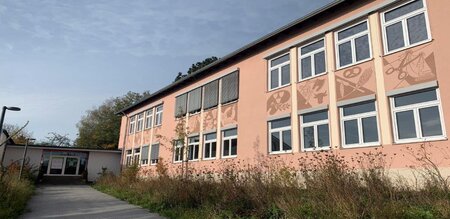
Our offices are located on the ground floor of the building that formerly housed the district vocational school. Here you will find detailed directions, including a map of the area and parking information. |